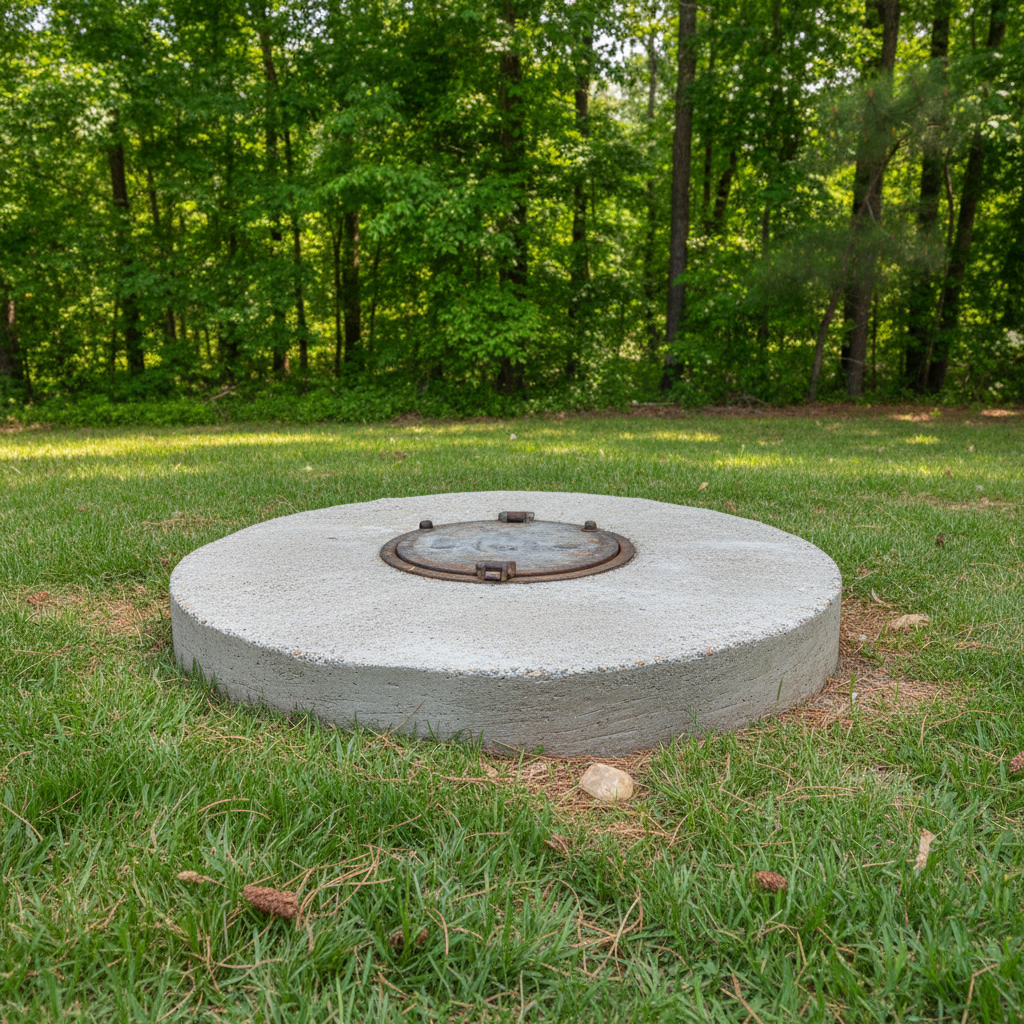
So, you're thinking about drilling a water well for your place right here in Fayetteville. Maybe you live a bit outside the city, or perhaps you're just plain tired of those city water bills. Whatever your reason, getting your own private well is a really smart move for a lot of folks in Northwest Arkansas. It puts you in charge of your water supply, and honestly, nothing beats fresh well water. But let's be super clear: this isn't like digging a hole for a fence post. There's a lot to learn, and you'll absolutely need some professionals involved. I'm going to break down what you can realistically handle yourself and when it's time to call in the experts, like us at Apex Well Drilling.
Before You Dig: Getting Things Ready
This is where you, the homeowner, play a huge part. Seriously, don't skip these steps, or you'll end up with headaches—and maybe even a dry well.
Do Your Homework on Rules and Permits
First things first: you can't just start drilling wherever the mood strikes you. Arkansas law says all wells must be drilled by a licensed contractor. Good news is, the state doesn't actually require a drilling permit directly from homeowners. But your licensed driller? They need to snag a 'rig permit' from the Arkansas Natural Resources Commission (ANRC) before they even think about touching your land. You might also need county building or plumbing permits for hooking up the well to your house, so make sure to check with Washington County.
If you're building outside city limits, a well is often your best bet for water, no question. Even inside city limits, it might be okay for things like irrigation or off-grid living, but there will be specific rules and permit requirements. These often include minimum distances from septic systems, property lines, and roads. We can totally help you look into these local regulations and figure out if it's even possible for your specific property. It’s way better to know everything upfront than to hit a snag later, right?
Understand What Your Land Can Do
Knowing a little about the geology under your feet can seriously save you time and money. Here in Fayetteville, we've got all sorts of terrain. The Ozark Mountains up north have limestone that creates those cool springs and caves, and down in the Mississippi River lowlands, you'll find deep layers of sand and gravel. The average residential well in Arkansas usually runs about 165 to 220 feet deep, but that can change wildly depending on your exact spot and what kind of rock we hit. Some areas might find water at 100 feet; others could need 300 feet or even more.
While you can't exactly do a geological survey yourself, you can check out resources like the USGS maps and reports—they've actually got some great new tools showing how water moves above and below ground. This kind of info helps us estimate how deep we might need to go and how much water we could get before we even start drilling. Harder rock formations, which are pretty common in some parts of our area, can definitely slow things down and make costs go up.
During the Project: The Drilling Process
This part? It's almost entirely a job for the pros. You'll definitely want to stand back and let the experts handle the big machinery and all the technical stuff.
Hiring the Right Team
I really can't say this enough: hire a licensed well contractor. It's not just a good idea; it's the law here in Arkansas. Drilling without a license is illegal, and it can lead to shoddy construction, which means huge problems down the road. A good driller will come to your site, check out the geology, and make sure all setback rules are met, especially when it comes to septic systems.
What Happens When We Drill
Once all the permits are sorted, the drilling starts. This usually takes about 1 to 3 days for a typical home well, depending on how deep it is and the geology. We drill down until we hit a reliable water source, then we put in steel casing to seal off any surface contaminants. This casing needs to be strong and watertight, extending deep enough to keep out any nasty stuff from above ground. After the casing is in, we disinfect the well and then take water samples.
After the Well is Drilled: Getting Your Water Flowing
Once the drilling is all done, there are still a few really important steps before you're actually drinking that sweet, sweet well water.
Water Testing is a Must
You absolutely, positively need to test your well water before you drink it. The Arkansas Department of Health (ADH) suggests testing for bacteria every year. You can grab a collection kit at your local health unit for about $17. For more detailed testing, like for minerals and heavy metals, you'll need a certified private lab. Some companies, like Culligan, even offer free basic water tests for hardness and other contaminants, and they can send samples to a lab for a deeper dive. This isn't something you should try to do yourself; you need proper collection and certified lab analysis to make sure your water is safe. Expect at least two weeks for results from third-party testing.
Pump Installation and Plumbing Connection
Once your water tests come back clean, it's pump time. Most wells deeper than 25 feet in Arkansas use submersible pumps. A licensed pump installer will get that all set up, along with a pressure tank to keep your home's water pressure steady. The plumbing from the wellhead into your house also needs to be handled by a licensed master plumber or contractor. They'll make sure everything meets code, including frost protection requirements, which is pretty important with our Fayetteville winters.
Keeping an Eye on Things
Even after everything's installed and running, keep watching. Test your water annually for bacteria. If you notice any changes in taste, smell, or how it looks, or if you have a problem like a broken well cap, get it tested right away. Your well is a long-term investment, and a little proactive care goes a long way, believe me. We're always here at Apex Well Drilling if you have questions or need help with maintenance or repairs down the line.