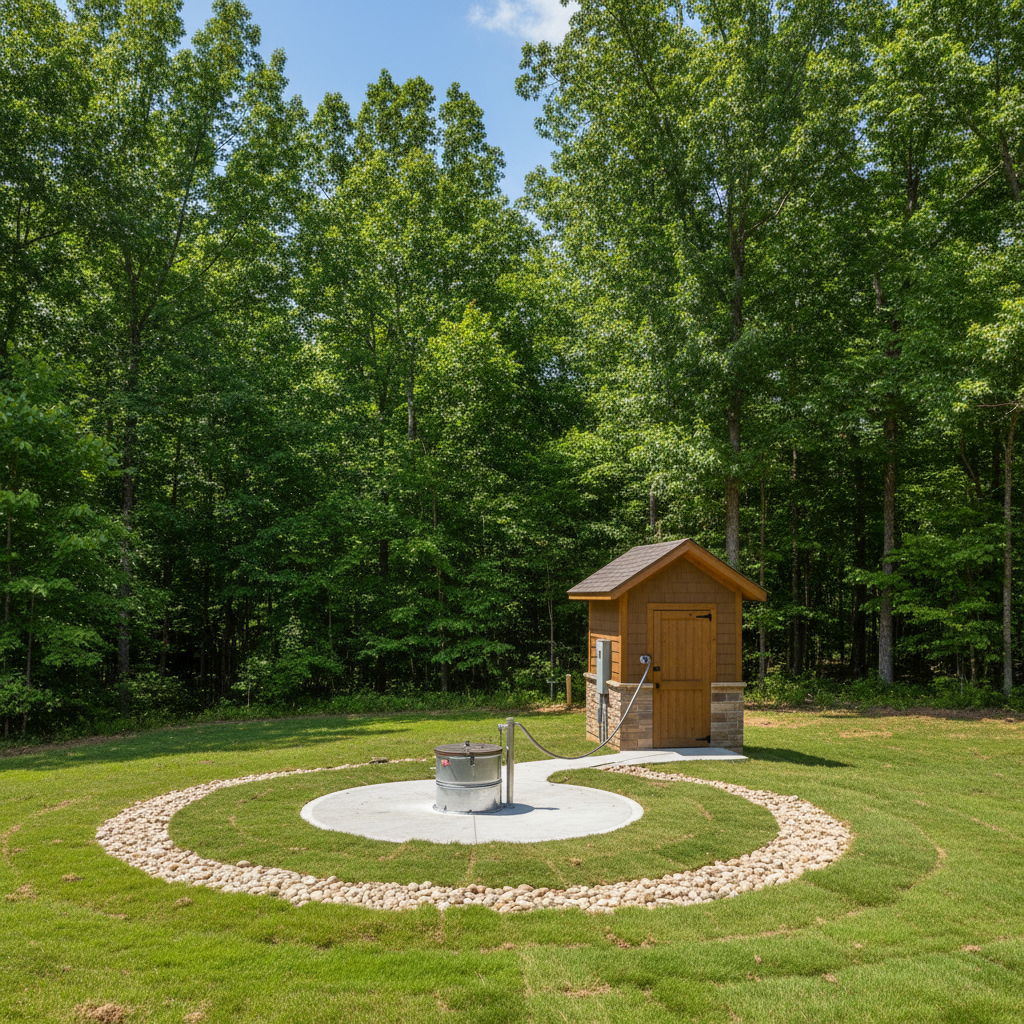
Your well is really the heart of your home's water supply, especially if you live out in places like Goshen or on the rural edges of Fayetteville. You count on it every single day, so it just makes sense to keep it in good shape. I've seen firsthand what happens when people ignore their well systems, and believe me, fixing those problems usually costs a lot more than a little preventative maintenance would have.
Making Your Well Last Longer in the Ozarks
You want your well to stick around for a good long time, right? It's a big investment, after all. Here's how you can squeeze the most life out of it, especially considering our local conditions here.
Watch Your Water Usage: Don't make your pump work harder than it has to. If you're watering a huge garden, filling a pool, and running three loads of laundry all at once, that's a lot of strain on your system. Try to spread out those heavy water uses. It's kind of like constantly redlining your truck's engine; it's just not built for that kind of abuse.
Guard Your Wellhead: This part is super important. Your wellhead needs to be above ground, typically at least 12-18 inches high, to keep surface water runoff from getting into your well. Here in Fayetteville, with our clay soils and sometimes heavy rains, you definitely don't want that happening. Make sure the area around it stays clear of debris, chemicals, and anything else that could contaminate your water or damage the casing.
Think About Your Landscaping: Tree and large shrub roots can really mess with your underground pipes or even the well casing over time. Plant them a good distance away. We've certainly dug up plenty of lines tangled in roots, and trust me, that's a headache you don't need.
Test Your Water Regularly: This isn't just about safety; it's also about checking on your well's overall health. Testing for things like pH, hardness, and mineral content can give you an early warning about potential issues that might be corroding your pump or pipes. Do it every year, or if you notice any change in taste, smell, or how clear the water looks.
What Does Regular Maintenance Look Like?
It's not exactly rocket science, but it does need a bit of attention. Think of it like changing the oil in your car — pretty basic, but essential.
Annual Check-up: I always tell folks to get a professional well inspection every year or two. We'll check the pump, the pressure tank, electrical connections, the well cap, and the water quality. We can often spot small problems before they blow up into big, expensive ones. Replacing a worn-out part is a lot cheaper than replacing an entire pump that just burned out, wouldn't you agree?
Clean Your Pressure Tank: Your pressure tank helps keep your water pressure steady and stops your pump from turning on and off too often. It has an air bladder inside that can lose its charge over time. Checking and recharging it every year or two can really make your pump last a lot longer.
Look for Leaks: Keep an eye on your pipes, both above ground and any accessible ones underground. Even a small leak can waste water and put extra strain on your pump. Watch for wet spots or unusually lush patches in your yard.
Keep Records: Write down when you had your well drilled, when the pump went in, and any maintenance or repairs you've done. This helps both you and any future professional understand your system's history.
Warning Signs: Don't Ignore These!
Your well usually tells you when something's wrong, if you're paying attention. Don't put off looking into these issues.
Low Water Pressure: This is a really common one. It could mean a failing pump, a problem with your pressure tank, a clogged filter, or even that your well's water level has dropped. If your shower suddenly feels like a trickle, it's time to investigate.
Cloudy, Discolored, or Smelly Water: Any change in how your water looks or smells is a big red flag. It might be sediment, mineral issues, or even bacterial contamination. Don't ignore it; get it tested.
Pump Cycling Too Often: If your pump kicks on and off frequently, even when nobody's using water, it often points to a problem with your pressure tank (like a waterlogged bladder) or a leak somewhere in your system. This will wear out your pump super fast.
No Water at All: Well, this one's pretty obvious. It could be a power problem, a tripped breaker, a completely failed pump, or maybe your well has run dry. This is an emergency, and you'll need help right away.
Strange Noises: Grinding, banging, or unusually loud humming from your pump or pressure tank usually means something's not right. Pumps shouldn't sound like they're fighting a small animal, right?
When to Call a Professional
Look, some things you can probably handle yourself, like checking for leaks or maybe even recharging a pressure tank if you're handy. But for most well issues, you really do need a pro. Here's when to pick up the phone.
Any of the Warning Signs Above: If you're dealing with low pressure, strange water, or your pump is acting up, don't try to be a hero. You could make things worse or even hurt yourself.
Annual Inspections: Like I mentioned, a regular check-up from someone who knows these systems inside and out is incredibly valuable. We spot things you'd never see.
New Well Installation or Major Repairs: This is our bread and butter at Apex Well Drilling. Whether you're putting in a new well or need a pump replaced, you want someone licensed and experienced doing the work. It's too important to trust to guesswork.
Well Contamination: If your water test comes back positive for bacteria or other contaminants, you'll need professional help to figure out the source and properly disinfect your well.
Drought Conditions: If we're going through a dry spell, like we sometimes do in late summer, and you're worried about your well going dry, give us a call. We can check your water levels and talk about your options.
Taking good care of your well isn't just about avoiding problems; it's about feeling confident in your home's water supply. You depend on that water, so give your well the attention it deserves.