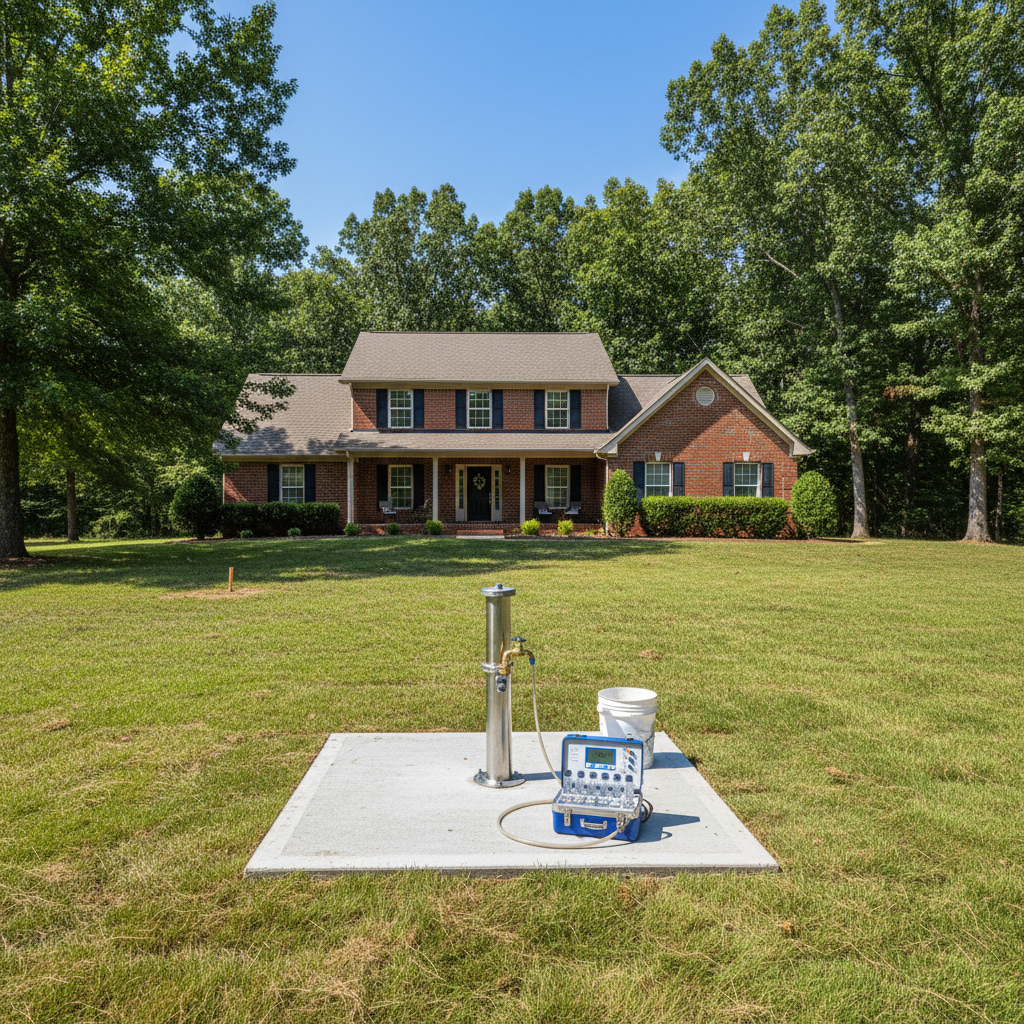
Alright, so you're thinking about getting a well drilled here in Fayetteville. Maybe you're tired of city water bills, or you're building out in a more rural spot like near Greenland or Goshen where city water just isn't an option. Smart move. A good well is a fantastic asset for your property. But finding the right contractor? That's where things can get tricky if you don't know what you're looking for. I've been doing this a long time, and I've seen it all. Here's my advice, straight up, on how to make sure you hire someone good.
Questions to Ask Every Well Driller
You wouldn't hire someone to build your house without asking questions, right? Same goes for your well. Don't be shy. Here's what you need to hit them with:
- How long have you been drilling wells in Northwest Arkansas? Experience matters, especially in our region with its varied geology, from the sandstone and shale to limestone. Someone who's only drilled in flat, sandy areas might struggle with our rocky terrain.
- Are you licensed and insured in Arkansas? This is non-negotiable. They need to be licensed by the Arkansas Department of Health for well drilling and pump installation. And they absolutely need liability insurance. If they mess up and damage your property, or if someone gets hurt, you want that covered, not coming out of your pocket.
- What's your typical drilling method for this area? They should be able to explain if they use rotary, cable tool, or another method, and why it's appropriate for your specific property's geology.
- Can you provide references from recent jobs? A good contractor will be happy to give you a few names and numbers. Call them. Ask if the job was on time, on budget, and if they were happy with the communication.
- What kind of warranty do you offer on the well and pump? There should be a warranty on the well's construction and on the pump itself. Understand what it covers and for how long.
- How do you handle permits and regulations? Drilling a well isn't just about digging a hole. There are state and local regulations, setback requirements, and permits needed. A reputable driller will handle all of this for you.
What to Look for in a Quote
Getting a quote isn't just about the bottom line. You need to understand what you're paying for. A good quote should be detailed, not just a single number.
- Itemized Costs: It should break down costs for things like drilling per foot, casing material, pump installation, pressure tank, trenching, electrical work, and any other components. This helps you compare apples to apples between different drillers.
- Estimated Depth: They should give you an educated guess on how deep they expect to go, based on local well logs and their experience. This will directly impact the drilling cost.
- Contingency for Unexpected Conditions: What happens if they hit an unexpected rock formation or need to go deeper than estimated? A good quote will explain how these situations are handled regarding cost.
- Completion Timeframe: When do they expect to start, and how long will the drilling and installation take?
- Inclusions and Exclusions: What exactly is included in the price? Is the electrical hookup to your house included, or just to the well head? Is site cleanup part of the deal? Make sure it's all clear.
Red Flags to Watch Out For
Trust your gut. If something feels off, it probably is. Here are some big red flags:
- No License or Insurance: I already said it, but it's worth repeating. If they can't prove it, walk away.
- Demanding Full Payment Upfront: A reasonable deposit is fine, usually 10-25%. But demanding the whole sum before any work starts? That's a huge no.
- Vague or Unwritten Quotes: If they just give you a handshake deal or a number scribbled on a napkin, that's not professional. You need it in writing, with all the details.
- High-Pressure Sales Tactics: "Sign today or the price goes up!" or "We've got a crew in your neighborhood right now!" Good contractors are busy; they don't need to pressure you.
- Unrealistic Guarantees: No one can guarantee a certain flow rate or water quality before drilling. If they promise you 30 gallons a minute and crystal-clear water before they even start, they're blowing smoke.
Verifying Legitimacy
Before you sign anything or hand over a dime, do your homework.
- Check with the Arkansas Department of Health: They regulate well drillers. You can often look up licenses online or call them to verify.
- Look for Online Reviews: Google, Yelp, Facebook – see what other folks are saying. Don't just look at the stars; read the comments. How do they handle complaints?
- Better Business Bureau (BBB): Check their rating and any complaints filed against them.
- Ask for Their Physical Address: A legitimate business has a physical location, even if it's just an office. Be wary of someone operating solely out of a P.O. box or a cell phone.
- Apex Well Drilling: We're right here in Northwest Arkansas, and we're always happy to answer these questions and show you our credentials. We believe in transparency because it builds trust.
Picking a well driller is a big decision. Do your homework, ask the tough questions, and don't settle for less than a reputable, experienced professional. You'll be glad you did when you've got reliable, clean water flowing for years to come.