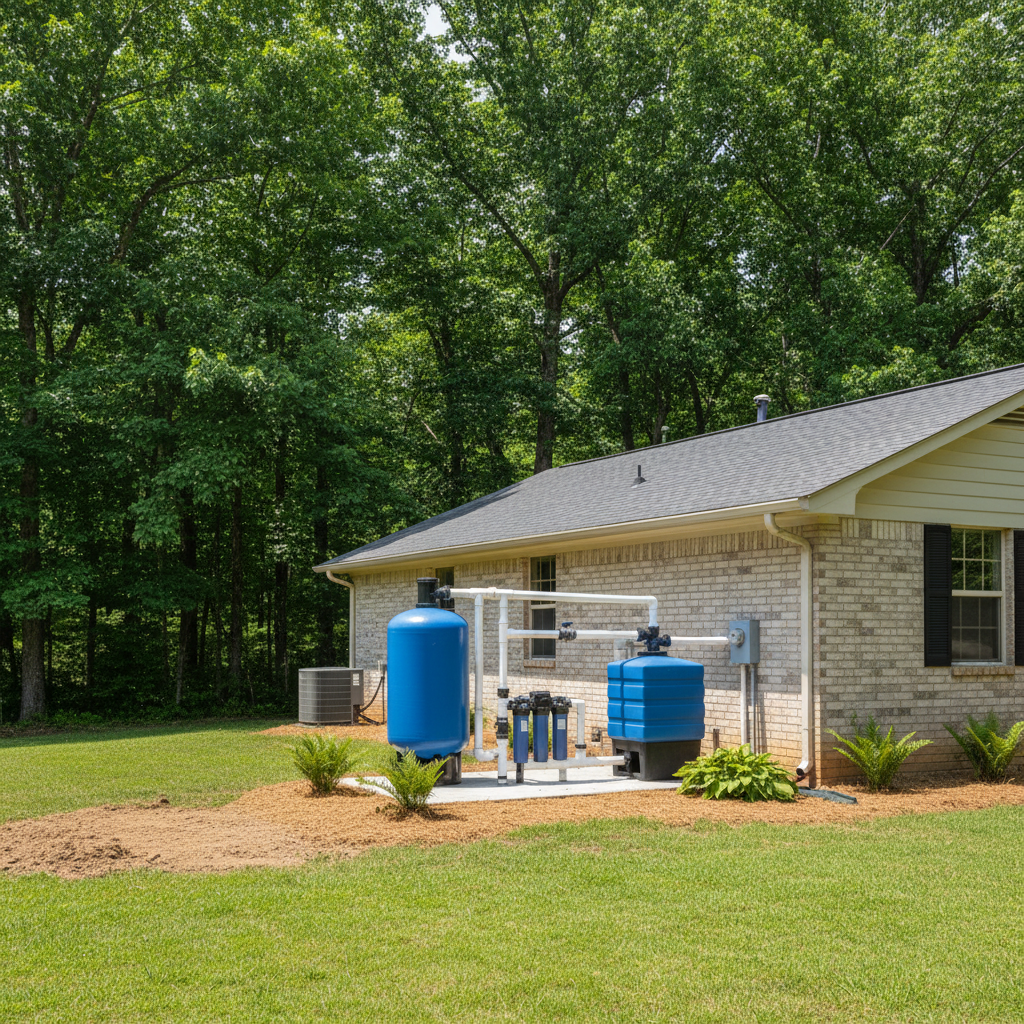
Alright, so you're thinking about putting in a water well at your place here in Fayetteville. Maybe you're living out past Greenland or up near Goshen, and city water just isn't an option for you. Or hey, maybe you just want that sweet, independent water supply—good for you! But before you start digging, you really need to find the right crew for the job. And let me tell you, not all well drillers are the same. I've been in this business a long time with Apex Well Drilling, and I've pretty much seen it all. Here’s what you need to know to hire a legitimate, competent well drilling contractor.
Verifying They're Legitimate: Start Here
First things first, you've got to make sure the folks you're talking to are actually allowed to drill a well in Arkansas. This isn't just some guy with a pickup truck and a shovel, you know? Well drilling is regulated for a good reason—it protects our groundwater and, frankly, your investment. In Arkansas, well drillers need to be licensed by the Arkansas Natural Resources Commission (ANRC), which these days operates as the Arkansas Natural Resources Division (ANRD).
- Check their license: Anyone drilling a water well or installing a pump needs two things: an Arkansas Water Well Contractor's License and a Certificate of Registration in Water Well Drilling or Pump Installation. You can usually verify a contractor's license through the Arkansas Department of Labor and Licensing's online database. Sure, there are resources like WellOwner.org that list water well professionals, but always double-check with the state directly.
- Ask about permits: While homeowners in Arkansas don't need a state drilling permit, the licensed driller must get a $145 "rig permit" from the ANRC before they even start drilling. They're also responsible for sending well construction and abandonment records to the state. Your county might have its own building or plumbing permits for connecting the well to your house, so make sure to ask about those too.
- Insurance is non-negotiable: A legitimate contractor will definitely carry commercial general liability insurance. In Arkansas, licensed contractors are required to have general liability coverage, often with minimums ranging from $50,000 to $100,000 per occurrence, depending on their license. Many clients and projects actually require $1 million per occurrence. They should also have workers' compensation if they employ anyone. Ask for a current Certificate of Insurance directly from their insurance company, not just some old photocopy they keep in their truck. This really protects you if something goes wrong.
Questions to Ask Every Contractor
Once you've confirmed they're legit, it's time to really dig into their experience and how they approach things. Don't be shy; this is your property and your water supply, after all.
- "How long have you been drilling in this area?" Fayetteville and the surrounding Washington County area have all sorts of geology, from the hard rock of the Boston Mountains to softer, more alluvial soils near the White River. A driller with local experience knows what to expect and how to handle it.
- "Can you provide references from recent jobs?" A good driller will be happy to connect you with past clients. Call those references and ask about their experience: Was the driller on time? Did they stick to the budget? Were there any unexpected issues, and how did they handle them?
- "What drilling method do you typically use for my property's geology?" There's no one-size-fits-all method. They should be able to explain why they'd choose rotary, cable tool, or another method based on what they expect to find underground.
- "What's your process for siting the well?" They should talk about evaluating the geology and measuring setbacks from things like septic systems. Arkansas law requires a 100-foot setback from septic systems.
- "What kind of casing and grouting will you use?" The casing keeps the well open, and grouting seals the space around it to prevent contamination. They should be able to explain the materials and why they're suitable for your well.
- "What's your warranty on the well and pump?" Understand what's covered and for how long.
What to Look For in a Quote
A good quote isn't just a number; it's a detailed breakdown of the work. If it's just a single price, that’s a red flag right there.
- Itemized costs: The quote should clearly separate drilling costs (often per foot), casing, pump installation, well cap, pressure tank, electrical work, and any other components. Don't forget about things like water testing and disinfection.
- Depth estimates: They should give you an estimated depth range based on local well logs and their experience. This helps manage expectations for cost, as drilling costs are often calculated per foot.
- Materials specified: The type of casing (PVC, steel), pump brand and horsepower, and pressure tank size should all be listed.
- Permit fees: The driller's rig permit fee ($145 in Arkansas) should be included or clearly stated as their responsibility. Any county-level permits or fees should also be noted.
- Contingencies: What happens if they hit unexpected rock formations or need to go deeper than estimated? A clear quote will outline how these situations affect the price.
Red Flags to Watch Out For
Your gut feeling is important here. If something feels off, it probably is.
- Unlicensed drillers: This is the biggest one. It's illegal to drill a well in Arkansas without the proper licenses. Don't risk it.
- Demanding full payment upfront: A reputable contractor will typically ask for a deposit, but never the full amount before work begins.
- Pushy sales tactics: If they're pressuring you to sign a contract on the spot or offering "today only" deals, walk away.
- No written contract: Get everything in writing. A verbal agreement isn't worth the paper it's not printed on.
- Lack of insurance or bonding: As I said, this is a huge risk for you.
- Vague quotes: If they can't or won't give you a detailed, itemized quote, that's a sign they might be hiding costs or don't fully understand the scope of work.
- Ignoring setbacks or regulations: If they brush off concerns about well placement or state regulations, they're not looking out for your long-term interests or the integrity of our local water supply.
Hiring a well driller is a big decision, but by doing your homework and asking the right questions, you'll find a contractor who'll get you set up with a reliable water source. We at Apex Well Drilling believe in doing things right the first time, and we want you to have that same peace of mind, no matter who you choose.