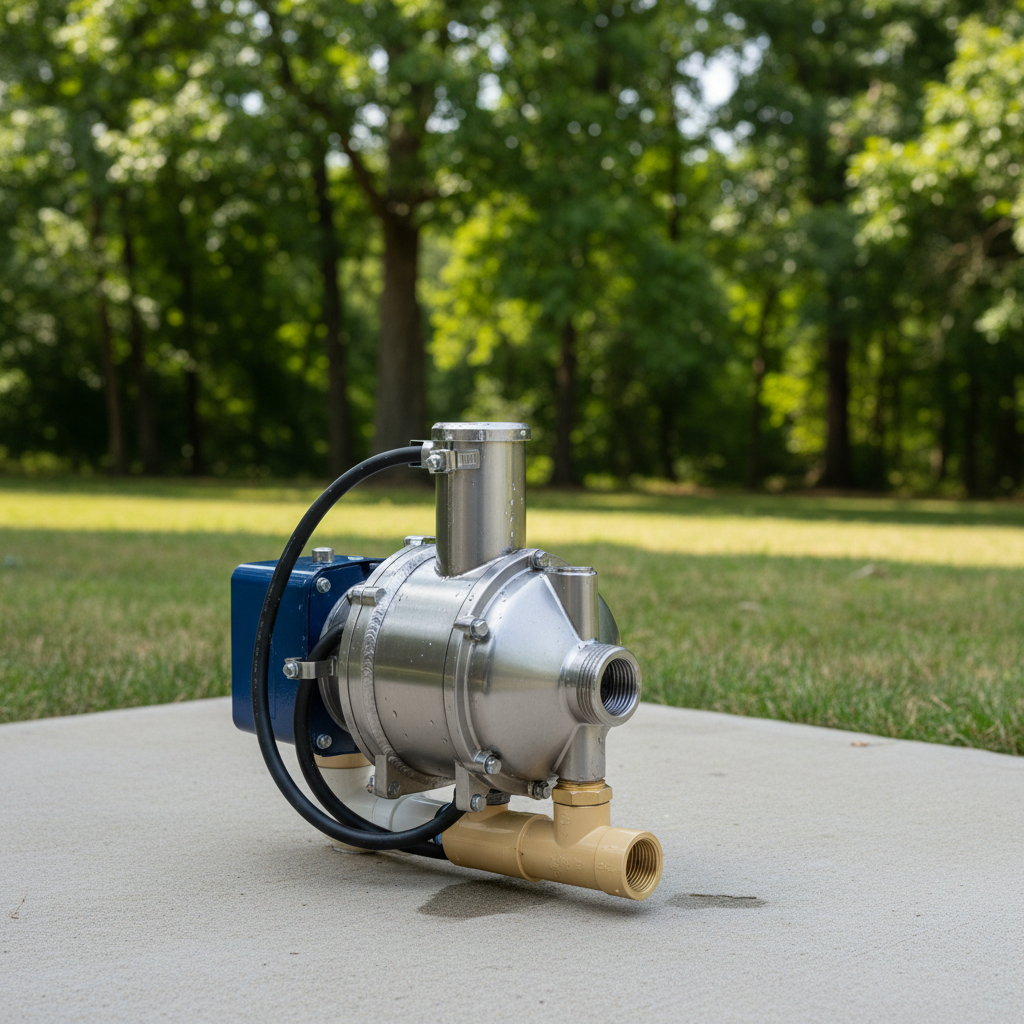
My well pump is making weird noises. What's going on?
Ah, the symphony of a struggling well pump. I've heard 'em all. A lot of times, strange noises are your pump trying to tell you something's not right before it completely gives up the ghost. If you're hearing a grinding, rattling, or thumping sound, it could be worn bearings in the motor, which is a pretty common issue. Sometimes it's cavitation, which happens when there isn't enough water getting to the pump, causing air bubbles to form and collapse. That sounds like rocks rattling around. A continuous hum without any water flow usually points to a seized motor or a capacitor issue. Don't ignore these sounds; they're rarely good news and often mean a repair is needed sooner rather than later to prevent bigger problems.
I have no water. Is it definitely the pump?
No water is probably the most alarming call we get. While a dead pump is a prime suspect, it's not always the culprit. First thing to check is your circuit breaker. Sometimes, especially after a storm, a breaker can trip, cutting power to the pump. Give it a flip. If that doesn't work, check your pressure tank gauge. If it's at zero, or very low, it could be a pressure switch problem. If the pump is running constantly but you're still not getting water, you might have a serious leak in your well line, or the well itself could be dry. Here in Fayetteville, especially during a dry spell, we do see wells that struggle to keep up, particularly in some of the older, shallower wells around areas like Johnson. If you've checked the basics and still nothing, that's when you call us. We'll get down there and figure out if it's the pump, the pressure switch, or something else entirely.
How long do well pumps usually last in Arkansas?
That's a great question, and honestly, it varies a lot. A good quality submersible well pump, properly installed and maintained, can last anywhere from 10 to 20 years. Surface pumps might have a slightly shorter lifespan, maybe 8 to 15 years. What affects that? Well, the quality of the pump itself, for starters. Then there's the water quality – hard water or water with a lot of sediment can wear down components faster. How often the pump cycles also plays a role; if your pressure tank isn't sized right or is waterlogged, your pump might be turning on and off too frequently, which shortens its life. The depth of your well matters too, and even the electrical supply. We've seen pumps give up after five years and others still chugging along after twenty-five. It's really a mixed bag, but regular check-ups can definitely help extend its life.
Can I fix my well pump myself?
Look, I appreciate a good DIY spirit, I really do. For some minor issues, like resetting a tripped breaker or even adjusting a pressure switch (if you know what you're doing and are comfortable with electricity), sure, you might be able to handle it. But when it comes to the pump itself, especially a submersible one, that's a whole different ballgame. You're dealing with high voltage electricity, heavy equipment, and a deep hole in the ground. Pulling a submersible pump requires specialized tools and expertise to avoid damaging the well casing, the wiring, or even yourself. There's also the risk of dropping the pump down the well, which is a nightmare to recover. My advice? For anything beyond the absolute basics, call a professional. It's safer, and honestly, it'll probably save you money in the long run by preventing bigger, more expensive mistakes. That's why Apex Well Drilling is here.
What's the difference between a repair and a replacement?
It boils down to cost versus longevity, usually. A repair means we're fixing a specific component – maybe replacing a pressure switch, a capacitor, or a control box. If the pump motor itself is still strong and the issue is isolated, a repair is often the more economical choice. A replacement, on the other hand, means we're pulling out the entire old pump and installing a brand new one. We usually recommend replacement when the pump is old and nearing the end of its lifespan, if the motor has failed completely, or if the cost of repairing multiple components starts to approach the cost of a new pump. Sometimes, if a pump has been consistently struggling due to poor water conditions or frequent cycling, a replacement with a more robust model or a system upgrade makes more sense. We'll always give you an honest assessment and lay out your options so you can make the best decision for your home and your wallet.
How much does well pump repair cost in Fayetteville?
That's the million-dollar question, right? And it's tough to give a single number because every situation is unique. A simple pressure switch replacement might be a few hundred bucks, including parts and labor. If we're talking about pulling a submersible pump from a deep well and replacing the motor, or even the whole pump, that's going to be significantly more. Factors like the depth of your well, the type of pump you have, the specific part that failed, and how accessible everything is all play a role in the final cost. What I can tell you is that when we come out for a service call, we'll diagnose the problem, explain exactly what needs to be done, and give you a clear, upfront estimate before we start any work. No surprises. We aim to be transparent and fair with our pricing, because that's how we build trust in the community.
How can I prevent future pump problems?
Good question! An ounce of prevention is worth a pound of cure, especially with well systems. First, consider an annual well system check-up. We can inspect your pressure tank, pressure switch, check for leaks, and monitor your pump's performance. Keeping an eye on your water usage patterns helps too; sudden drops in pressure or changes in water quality can be early warning signs. Make sure your pressure tank is properly sized and functioning; a waterlogged tank makes your pump work harder and cycle more often, wearing it out faster. Also, be mindful of what goes down your drain – avoid flushing anything that could clog your well screen or introduce contaminants. If you have an older well, especially if you're in an area with a lot of clay or rock like we have around here, regular maintenance can help catch issues before they turn into major headaches. It's all about proactive care.