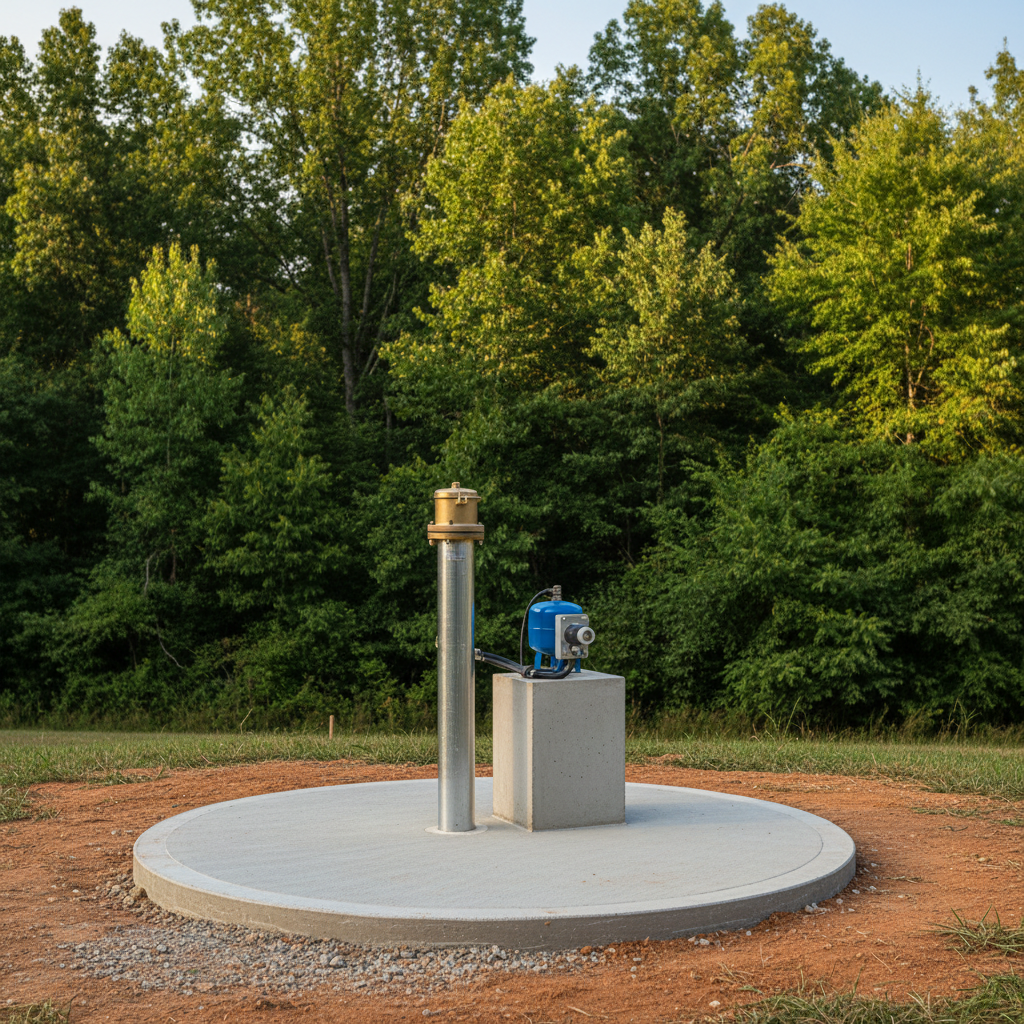
You've got a private well, which means you're in control of your water supply. That's a big plus around here, especially with how much our city's grown. But with that control comes responsibility, and I get a lot of questions about how to keep that well water flowing clean and strong. So, let's tackle some of the most common well maintenance questions I hear from folks right here in Fayetteville.
How often should I test my well water?
This is probably the most important question, and honestly, it's one I wish more people asked. You should be testing your well water at least once a year for bacteria (like coliform and E. coli), nitrates, and total dissolved solids. If you've got young kids, are pregnant, or have anyone with a compromised immune system in the house, I'd even suggest testing more frequently, maybe every six months. Beyond that annual check-up, you absolutely need to test if you notice any changes in your water's taste, odor, or color. If there's been a flood nearby – and we get our share of heavy rains around here, especially in spring – or if you've done any major work on your well or plumbing, that's another red flag to get it tested. Don't mess around with water quality; it's your family's health we're talking about.
What's the deal with well shocking or chlorination? When do I need it?
Well shocking, or chlorination, is basically disinfecting your well system. You don't just do it willy-nilly. The main reason you'd shock your well is if your annual water test comes back positive for coliform bacteria. That's a sign that surface water or other contaminants might be getting into your well. You'd also do it after any major well repair, like replacing a pump, or if your well has been sitting unused for a long time. It involves pouring a strong chlorine solution into the well, letting it sit to kill bacteria, and then flushing it out. It's not a permanent fix if you have a recurring contamination issue, though. If you're constantly getting positive bacteria tests, we need to figure out why it's getting contaminated, not just keep shocking it. Sometimes it's a cracked casing, a faulty well cap, or even just poor drainage around the wellhead.
My water pressure isn't what it used to be. Is that a well issue?
Could be, yeah. Low water pressure is a common complaint, and it can stem from a few different places in a well system. First thing I'd check is your pressure tank. If it's waterlogged or failing, it won't be able to maintain pressure properly. Sometimes it's as simple as the pressure switch needing adjustment or replacement. But it can also be a sign of a deeper problem, like your well pump starting to wear out, or even mineral buildup in your pipes or well screen. Here in Fayetteville, especially in areas with harder water, mineral buildup isn't uncommon. If you've got a well that's been producing for decades, sometimes the well screen itself can get clogged, reducing the flow into the well. It's usually not an emergency, but it's definitely something you want to get looked at before it turns into one.
How do I protect my well from freezing in winter?
Winter in Northwest Arkansas can be unpredictable, right? One day it's 60, the next it's 15 degrees. Protecting your well from freezing is crucial. The most important thing is to make sure your wellhead and any exposed pipes are properly insulated. For the wellhead itself, check that the well cap is secure and that any openings are sealed. If you have a pump house, make sure it's well-insulated and consider a small heat lamp or space heater on the coldest nights, but be super careful with fire hazards. For pipes leading from the well to your house, use heat tape or foam insulation. If you're going to be away for an extended period during winter, it's a good idea to shut off the main water supply to your house and drain the pipes to prevent freezing and bursting. Don't forget about any outdoor spigots connected to your well system either; disconnect hoses and drain them.
What about well inspections? Are they really necessary?
Absolutely, they are. Think of it like a physical for your well. I recommend a professional well inspection every 3-5 years, even if you're not having any issues. During an inspection, we'll check the well casing for cracks, assess the well cap's integrity, test the pump's performance (flow rate, pressure), check the pressure tank, and look for any signs of corrosion or wear on electrical components. We'll also make sure the area around the wellhead is properly graded to prevent surface water contamination. Catching small problems early can save you a ton of money and hassle down the road. It's a lot cheaper to replace a worn-out pressure switch than to have your entire pump fail on a Sunday morning.
My well water has a weird smell or taste. What's going on?
That's a definite sign something's up, and you shouldn't ignore it. If it smells like rotten eggs, that's usually hydrogen sulfide gas, which can be naturally occurring in groundwater around here, or it could be from certain bacteria. A metallic taste often points to high levels of iron or manganese. A musty or earthy taste could be from organic matter getting into the well, or even certain types of bacteria or algae. The first step, always, is to get your water tested. That'll tell us exactly what contaminants are present. Once we know what we're dealing with, we can figure out the best treatment, whether it's a specific filter, aeration, or even a well shocking if it's bacterial. Don't just live with bad-tasting water; you deserve clean, fresh water from your well, and Apex Well Drilling can help you figure out why it's not.
Should I ever try to fix my well pump myself?
Look, I appreciate the DIY spirit, I really do. But when it comes to well pumps, especially submersible ones, it's usually best to call in a professional. These aren't simple lawnmower engines. Well pumps are complex pieces of equipment, often located hundreds of feet underground, connected to high-voltage electricity, and dealing with significant water pressure. There are serious safety risks involved, both electrical and physical. Plus, without the right diagnostic tools, you might end up replacing parts you didn't need to, or worse, causing more damage. I've seen folks try to pull a submersible pump themselves and drop it down the well, or mess up the wiring, leading to a much more expensive repair. For anything beyond checking a circuit breaker or resetting a pressure switch, give us a call. It'll save you headaches, and potentially a lot of money, in the long run.