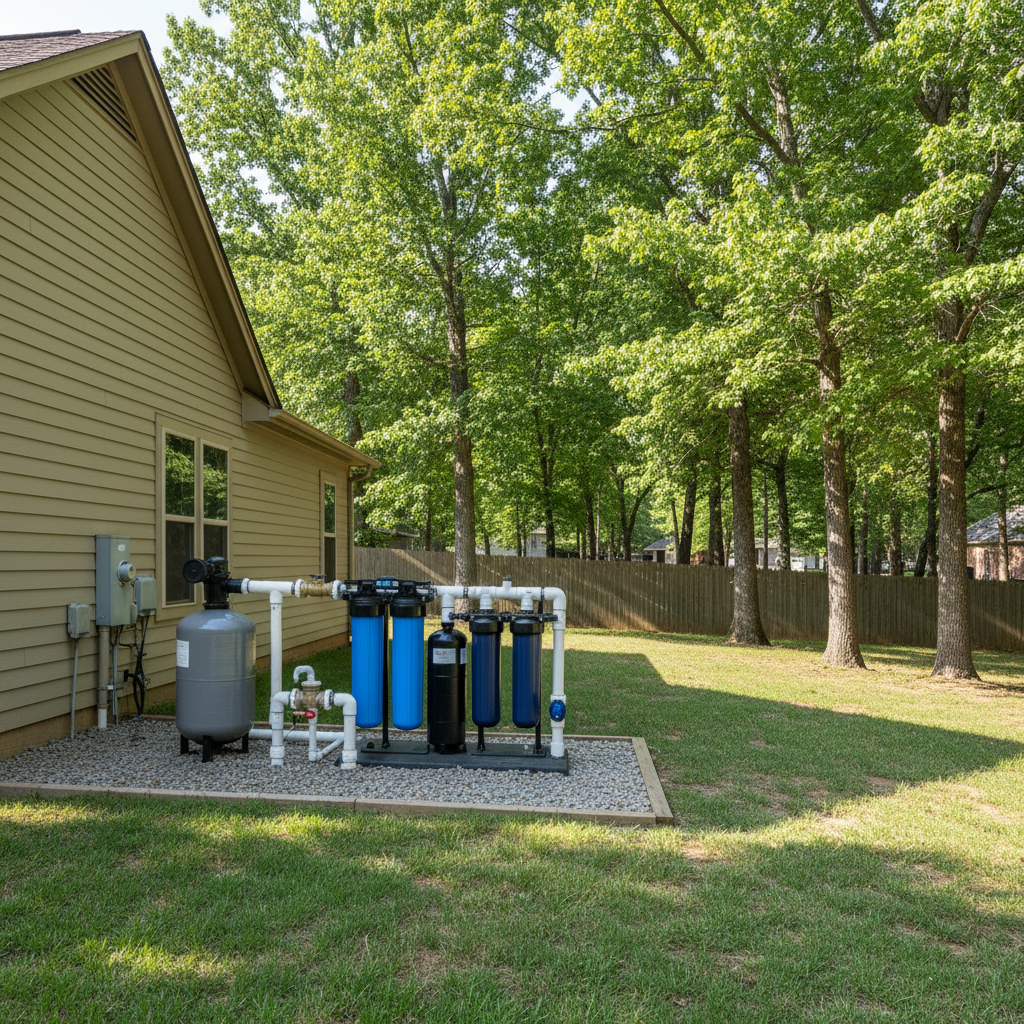
Thinking About Better Water? Let's Plan It Right.
You've decided you want better water at home. Maybe your well water's got that sulfur smell, or you're seeing hard water spots everywhere, or you're just tired of buying bottled water. Whatever the reason, a water treatment project is a smart move. But it's not just about picking a system; it's about planning the whole thing so you get what you need without a headache. I've seen a lot of these projects over the years, and here's my take on how to do it right from the get-go.
What's the Timeline Look Like?
Alright, let's talk timing. This isn't an overnight thing, and rushing it usually leads to problems. Generally, you're looking at a few stages, and each one takes a bit of time.
Initial Research & Water Testing (1-2 weeks): First off, you gotta know what you're treating. You can't fix a problem if you don't know what it is. Get your water tested. This is crucial. Don't let anyone sell you a system without a comprehensive water test. We do this at Apex Well Drilling, and it gives us a baseline. You might find out you've got high iron, manganese, hardness, or even some bacteria. This phase also includes you doing a bit of homework on different treatment options once you have those test results.
Getting Quotes & System Design (1-3 weeks): Once you know what's in your water, you'll need to get a few quotes. A good contractor won't just throw a price at you; they'll explain what they're recommending and why. They'll design a system specific to your water chemistry and your household's needs. This isn't a one-size-fits-all deal. If someone tries to sell you a generic system without seeing your water test, walk away.
Permitting (If Needed) & Scheduling (1-4 weeks): For most residential water treatment installations, you might not need a complex permit, especially if it's just inside your home. But if it involves significant plumbing changes or an outdoor component, it's worth checking with the City of Fayetteville or Washington County. Your contractor should handle this, but it's good to be aware. Then, it's about getting on the schedule. Good contractors are busy, so there might be a wait.
Installation (1-3 days): The actual installation usually doesn't take long. For a typical whole-house system, we're talking a day or two. More complex setups might stretch to three. This is where the magic happens, and you start seeing the benefits.
So, from start to finish, you're probably looking at anywhere from 4 to 10 weeks. It just depends on how quickly you move and how busy your chosen contractor is.
What to Expect During the Process
When we're on site, you should expect professionalism. Here's the rundown:
Pre-Installation Walkthrough: Before anyone starts cutting pipes, your lead tech should walk through the plan with you. They'll confirm where the equipment is going, how the plumbing will run, and answer any last-minute questions.
Disruption: Look, we're working in your home. There will be some noise, some dust, and your water might be shut off for a few hours during the main hookup. We try to minimize this, but it's part of the deal. We'll always give you a heads-up before we turn off your water.
Cleanup: A good crew cleans up after themselves. You shouldn't be left with a mess. We take pride in leaving your space as tidy as we found it.
Post-Installation Briefing: Once everything's in, we'll walk you through the new system. We'll show you how it works, what maintenance it needs (like adding salt to a softener or changing filters), and answer any questions. You'll get all the manuals and warranty info too.
How to Prepare Your Home
You don't need to do much, but a little prep goes a long way and helps us work efficiently.
Clear the Space: Make sure the area where the equipment is going is clear. Move any boxes, tools, or stored items. We need room to work, especially if we're installing larger tanks for a water softener or a filtration system.
Access to Utilities: We'll need access to your main water line, a power outlet, and possibly a drain. Make sure these are easily reachable.
Pets and Kids: For safety, it's best to keep pets and small children away from the work area while we're there. We'll have tools and equipment out, and we don't want anyone getting hurt.
Questions to Ask Before You Sign That Contract
This is where you protect yourself and ensure you're getting a good deal from a reputable company. Don't be shy; ask away.